

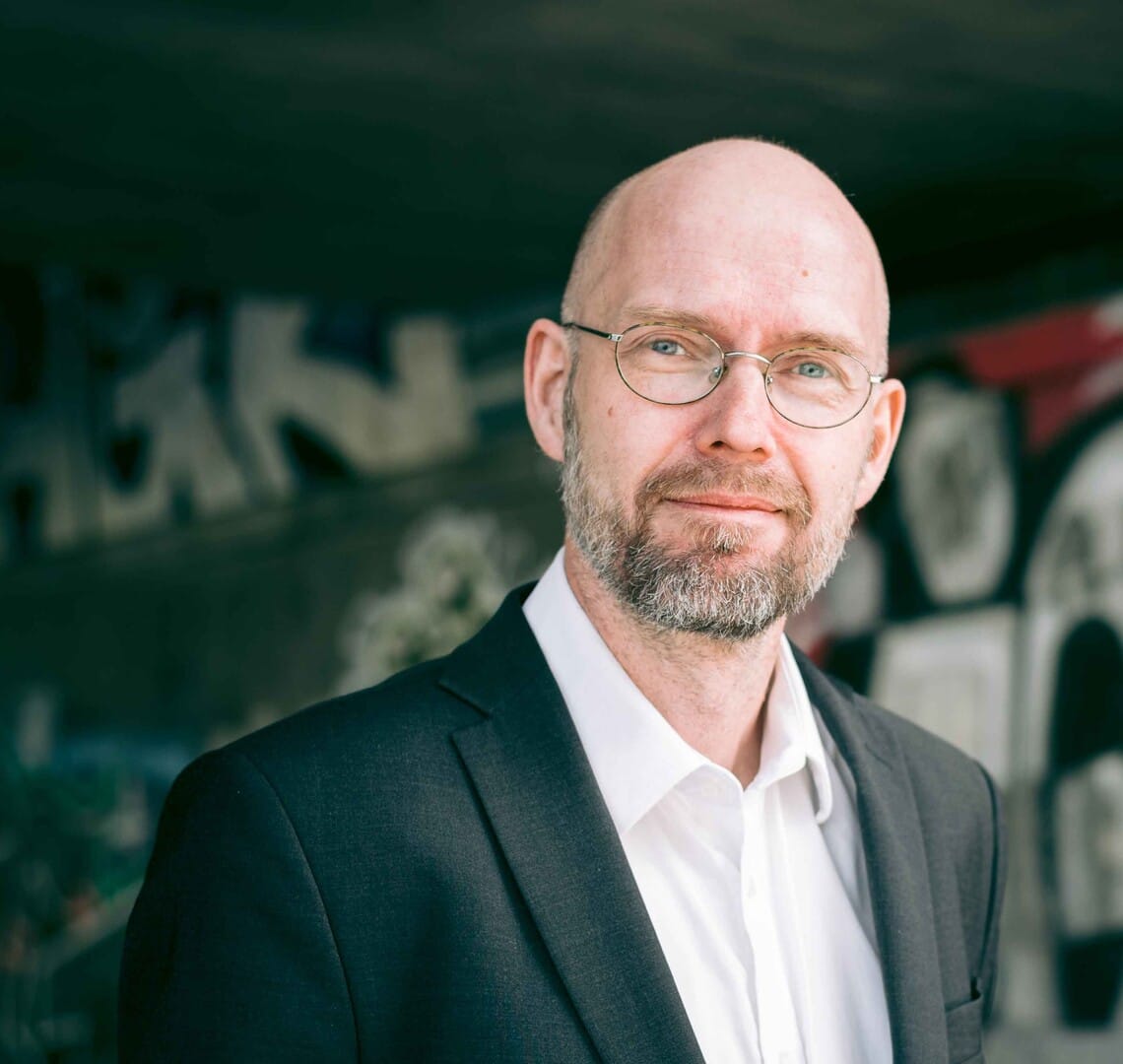
Gerhard Andersson, PhD, is a full professor of Clinical Psychology at Linköping University, in the Department of Behavioural Sciences and Learning, where he was appointed in 2003. He is also an affiliated researcher at Karolinska Institutet. During his career he has authored more than 970 scientific papers and 27 books, and holds an h-index of 130. His work has been recognized with the Nordic Medical Prize, the Swedish Psychologist Award, and a Lifetime Achievement Award from the International Society for Research on Internet Interventions, and he has lectured nationally and internationally throughout his career.
Clinical Advisory Board Member
Gerhard is part of the Freequency Clinical Advisory Board. His research background spans internet-delivered cognitive behavioral therapy, the psychological treatment of tinnitus-related distress, and decades of work translating structured therapy into scalable, accessible formats. His input helps ensure that the psychological foundation behind Freequency reflects current evidence and clinical practice in the field.
One area Gerhard has contributed to is the distinction between the tinnitus sound itself and the distress it causes, a distinction at the core of the acceptance-oriented therapy approaches he helped develop. His research on this relationship has directly informed how Freequency approaches its daily exposure exercises, helping users build a different relationship with their tinnitus sound rather than aiming to make it disappear.
Tinnitus affects an estimated 740 million people worldwide, and most never receive structured psychological support beyond being told to learn to live with it. Gerhard's research career has been dedicated to closing that gap, and his expertise helps Freequency do the same.
Curious how psychological science can change your relationship with tinnitus, or simply curious about the research behind Freequency's approach, this is a clear and grounded place to start.