


About us

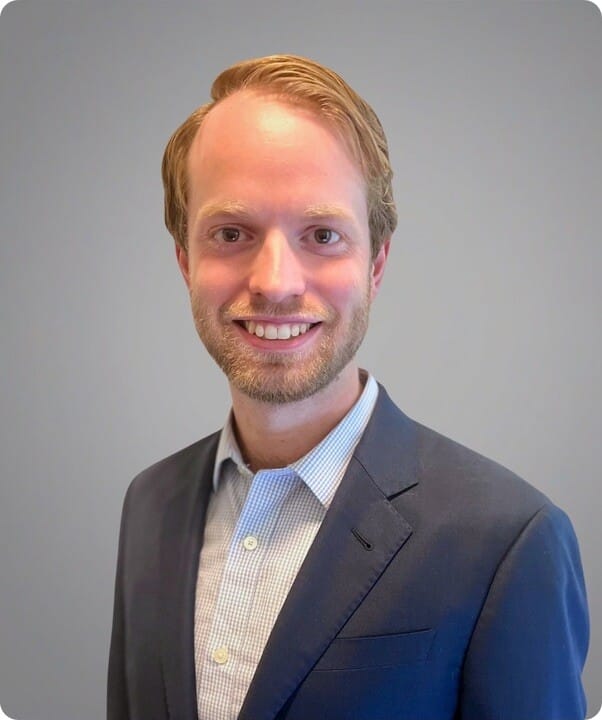
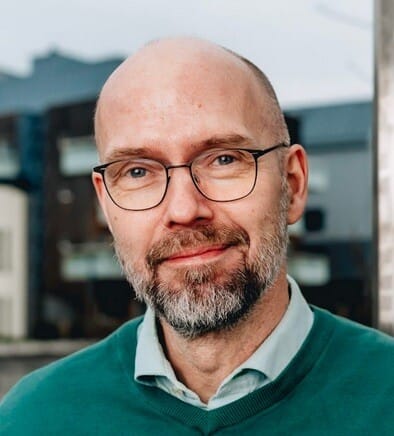
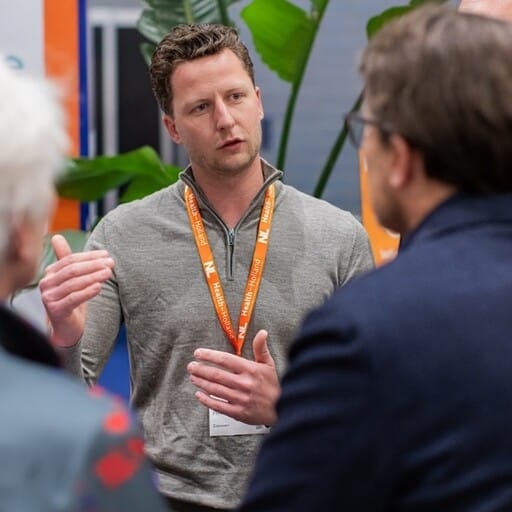
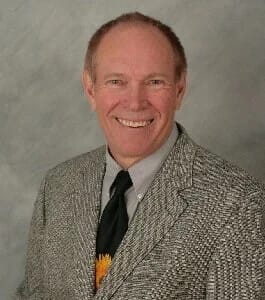
No boardroom, no business plan. Freequency began as a chance encounter between a therapist with a question and a game maker with an answer.

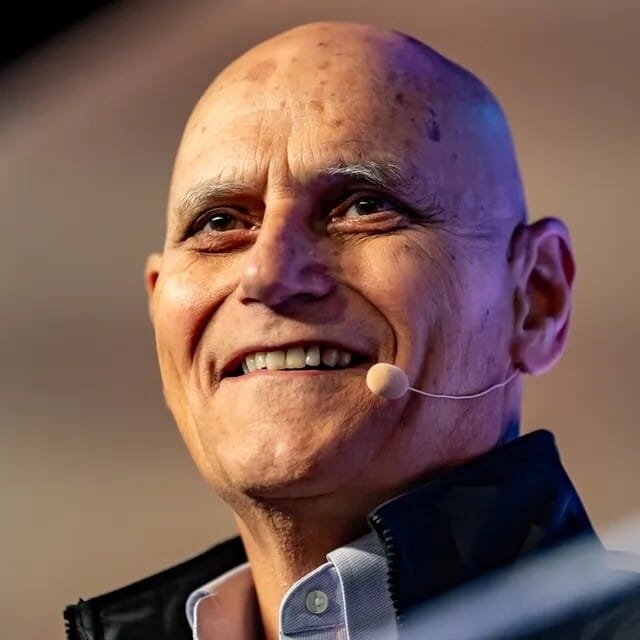
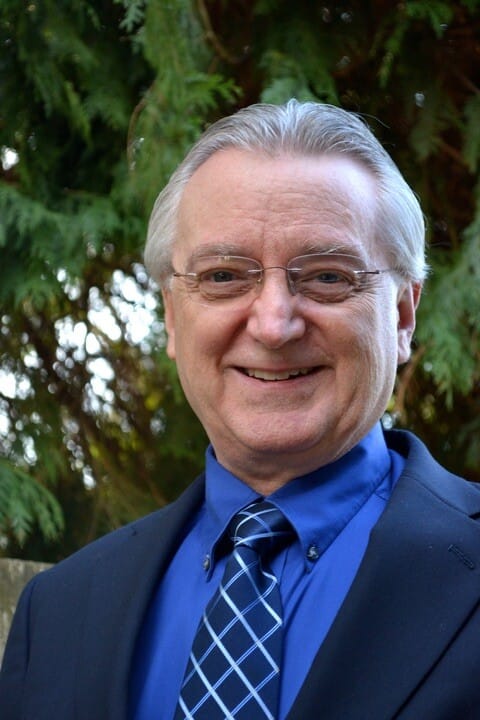
Manual therapist Teun Loverbos kept seeing people with tinnitus in his practice, and too often had to send them home with the message to learn to live with it. At a networking event he told Rob Hulsen, who had been making games with a purpose for years. Neither of them could let that conversation go. It became the start of Freequency.

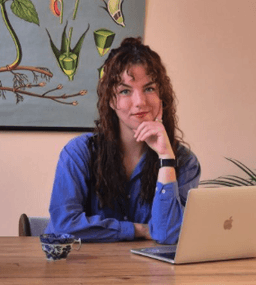
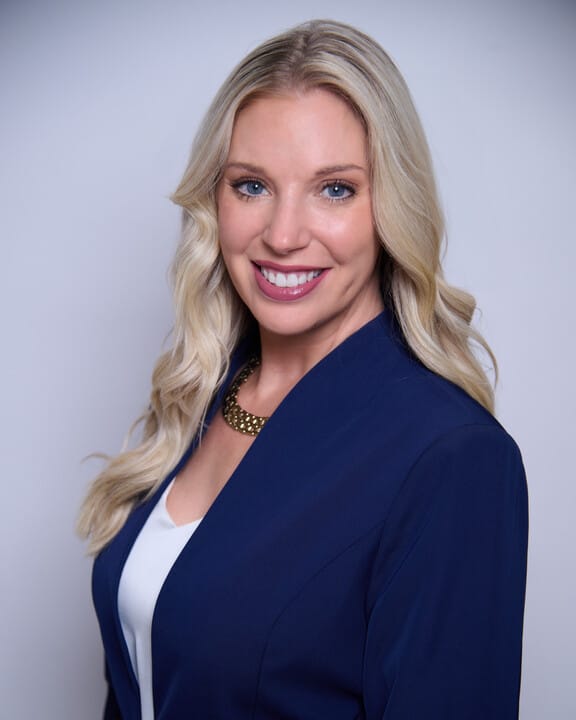
Science pointed the way: tinnitus shows striking parallels with phantom pain, where mirror therapy makes the invisible visible. Jeffrey Lanters used game design to turn that insight into an app that places your tone in the space around you, and innovation specialist Sophie Asveld brought Freequency into healthcare. What began with four people grew into a team, and an app that is played every day.

A peek behind the scenes.

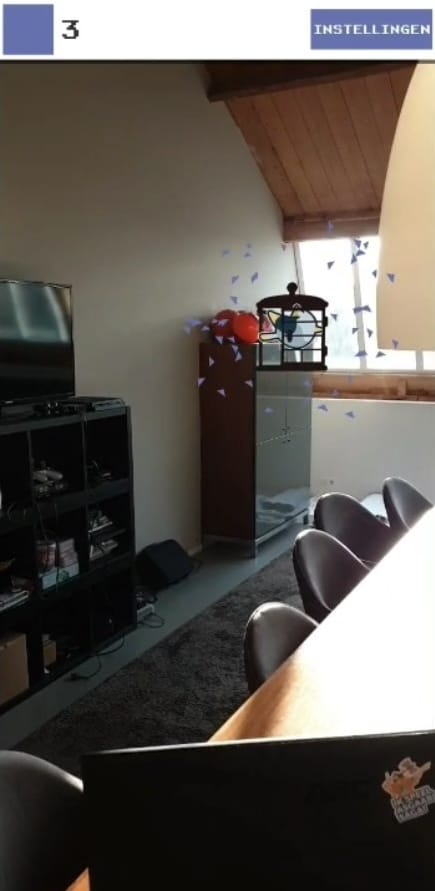
Screenshot of the first augmented-reality prototype, showing a birdcage floating in the office
The very first AR prototype, tested at the office.
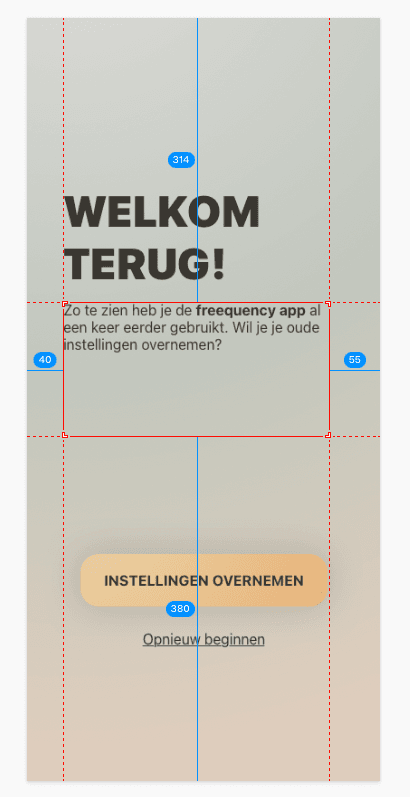
Screenshot of a design tool showing an early welcome screen of the Freequency app
The first screens taking shape.
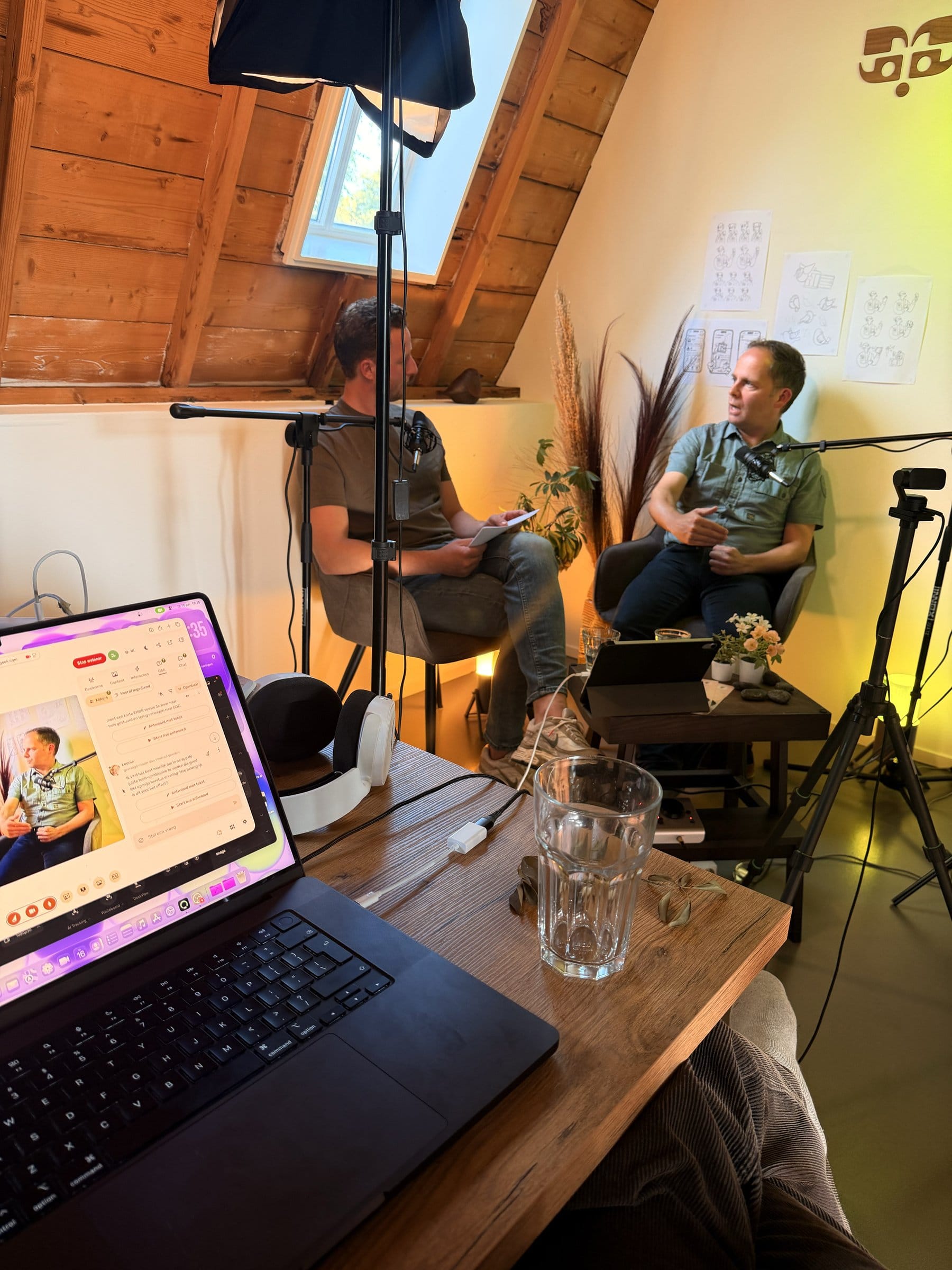
Two people with microphones and recording equipment in the studio
Behind the camera during a studio recording.

The question Freequency started with

The journey

  1. 2022

    A conversation that stuck

    At a networking event, manual therapist Teun Loverbos tells game maker Rob Hulsen about his tinnitus patients, and about the question that keeps him up: why is there so little out there for them?

  2. 2023

    Build, test, repeat

    Inspired by mirror therapy for phantom pain, a first augmented-reality prototype grows into a fully fledged game, tested and refined with hundreds of people with tinnitus.

  3. 2024

    Freequency goes live

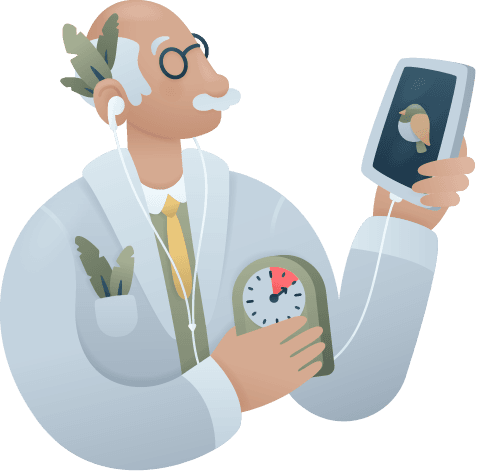
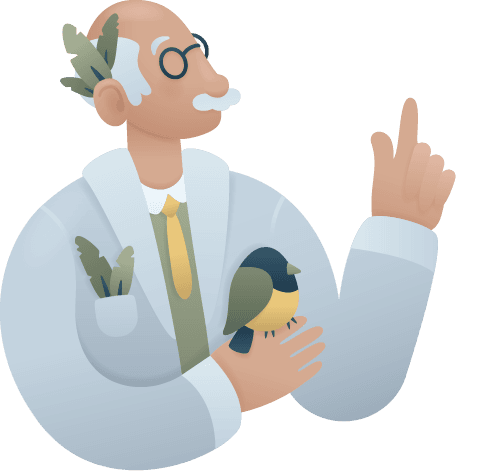
    The app launches in the App Store, complete with the 100-day program and Professor Tone as your guide.

  4. 2025

    Recognition from healthcare

    Freequency wins the audience award of the Dutch National Healthcare Innovation Prize. Hospitals and audiology centers start pilots and scientific research.

  5. 2026

    Crossing borders

    The app arrives on Android and Freequency, backed by an international advisory board, takes its first steps beyond the Netherlands.

Want to read more of our story? Our articles feature interviews, news, and stories from users. All articles

Curious what the media wrote about us? In the media

Our mission

We build help that works at home, bridges waiting lists, and gives back to research. Read what Freequency stands for.

The team

Freequency is made by a small team that brings healthcare and game design together, with short lines and a lot of love for detail.

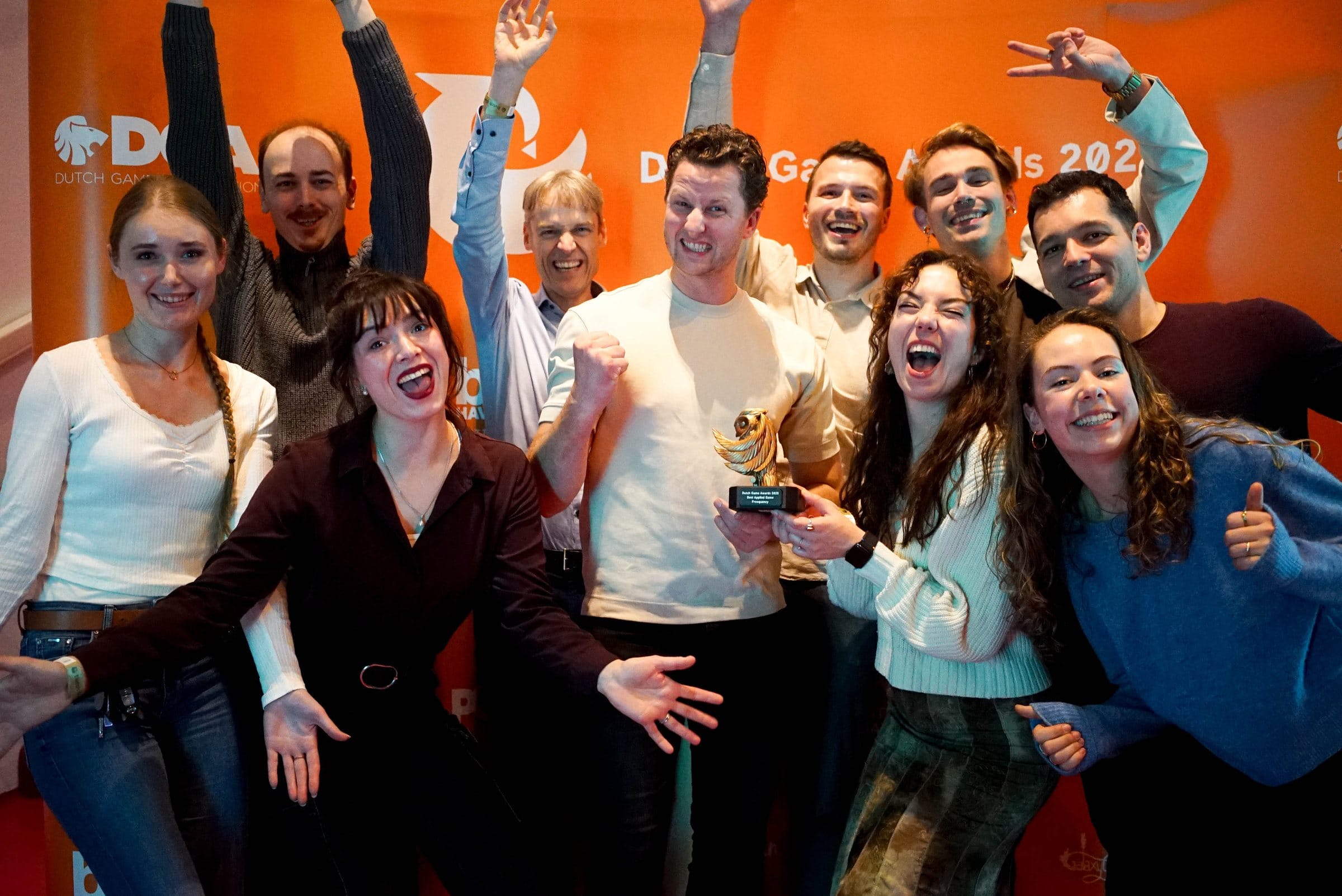
The Freequency team cheering with the Dutch Game Awards trophy
We won! The team with the Dutch Game Award for Best Applied Game.

Work with us

Content creators, care specialists, researchers: Freequency grows thanks to people who share their expertise. Sound like you?

The advisors

Behind the core team stands an international advisory board of audiologists, clinical psychologists, and scientists. They test the program against the latest insights, help shape new features, and appear in the app themselves: in the videos and articles you come across along the way, each one made and recorded by them and the team.

They are active partners: every big step Freequency takes has passed the board first. That is how the app stays true to what is scientifically sound and to what works in practice.

Read about the science

Get started

Ten minutes a day, your phone, and your own tone. That's all it takes, and the first 3 days are free.

App StoreGoogle Play Store

Freequency complements your existing care and does not replace it. Use it in consultation with your audiologist or healthcare professional.