
The science
Freequency uses exposure therapy, as recommended in the European guideline for tinnitus treatment. You also practice Acceptance and Commitment Therapy. Together, these approaches focus on how you respond to tinnitus and how much it affects you.
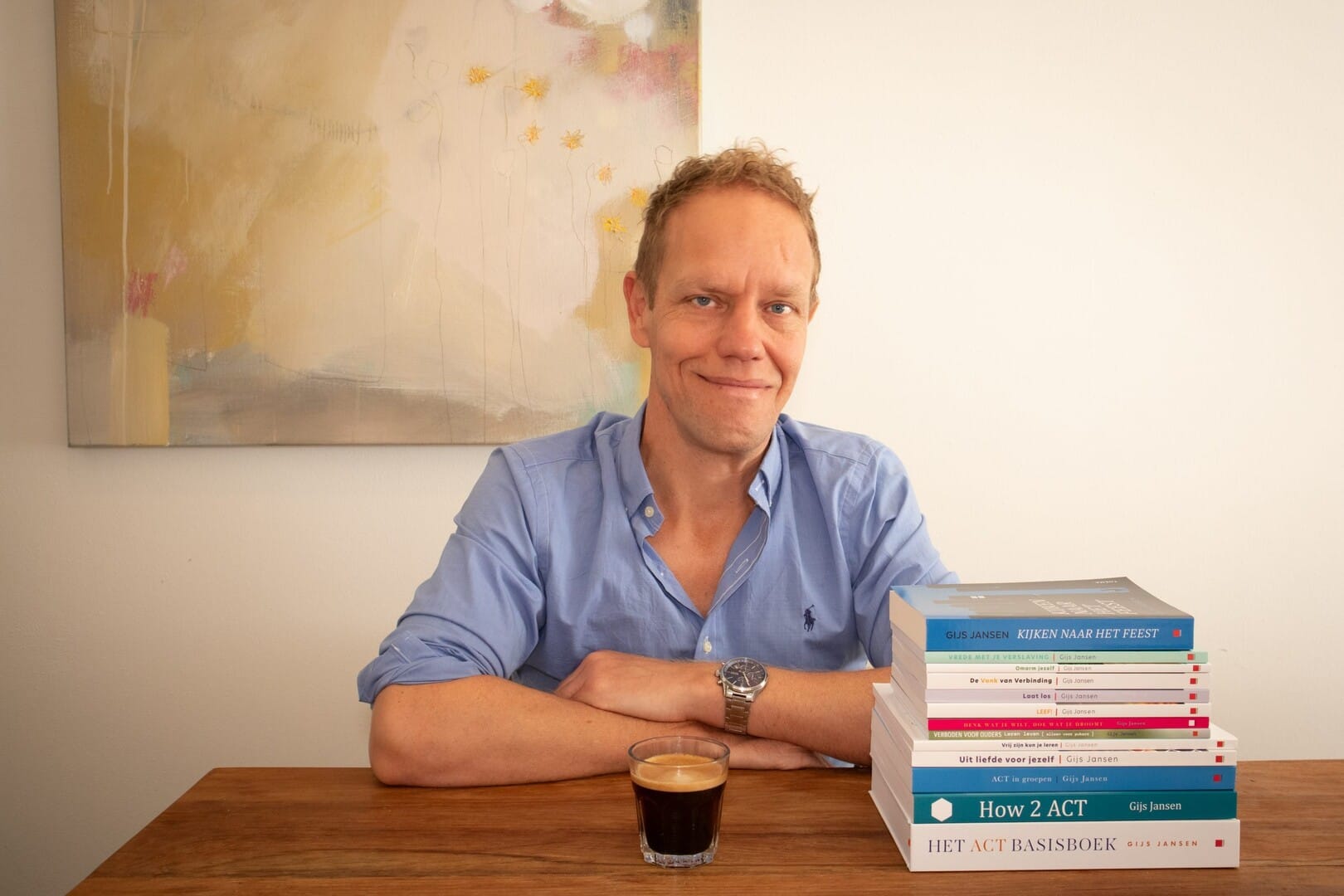
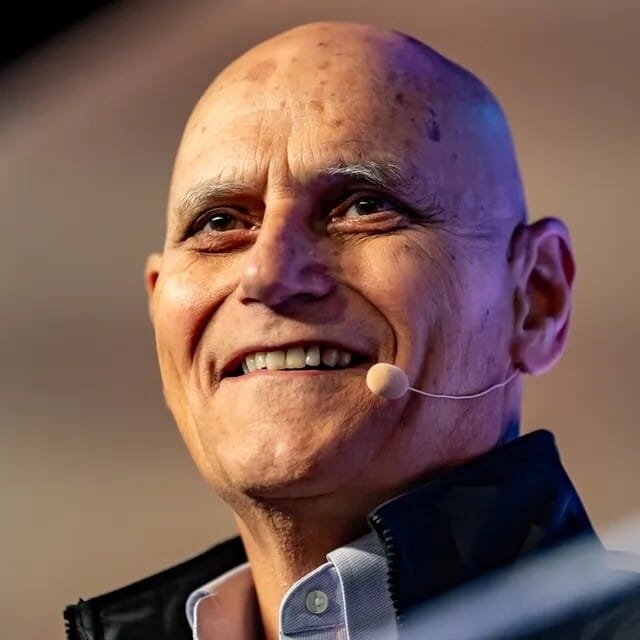
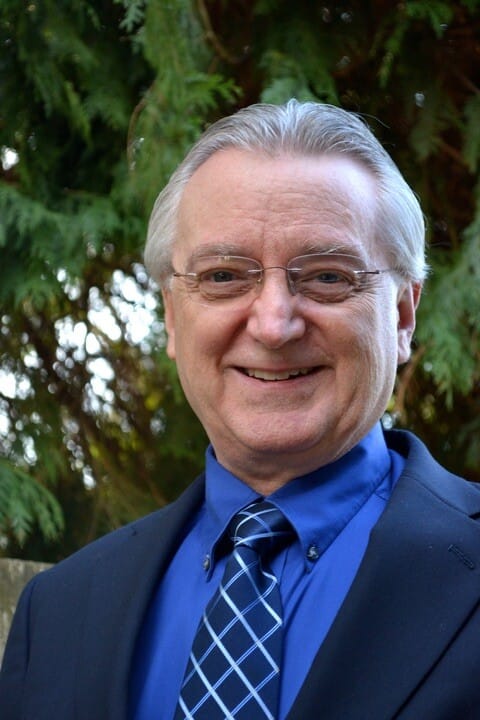
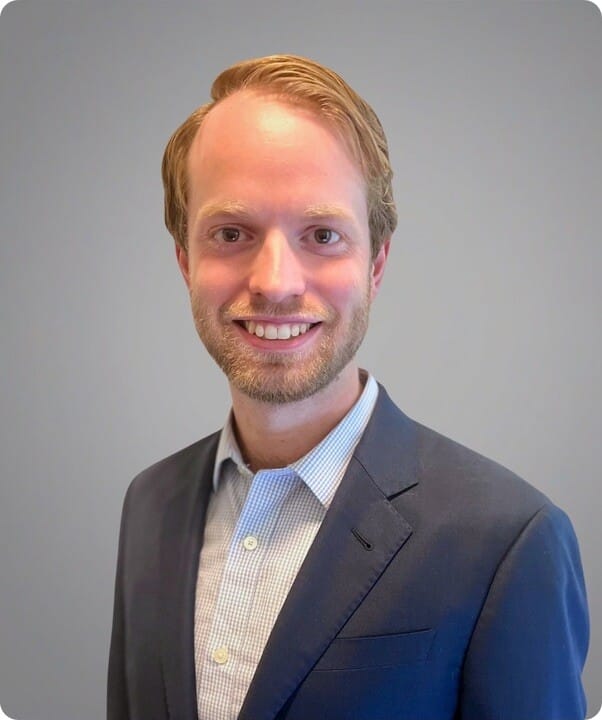
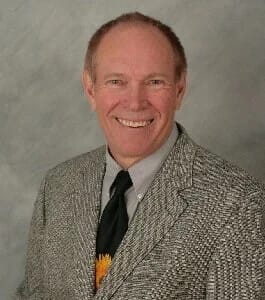
In the program you learn directly from experts in the field, including Steven C. Hayes, founder of ACT, audiologist Richard S. Tyler of the University of Iowa, audiologist Tricia Scaglione, clinical physicist-audiologist Jan de Laat of the LUMC, and psychologist and ACT specialist Gijs Jansen.

The advisory board
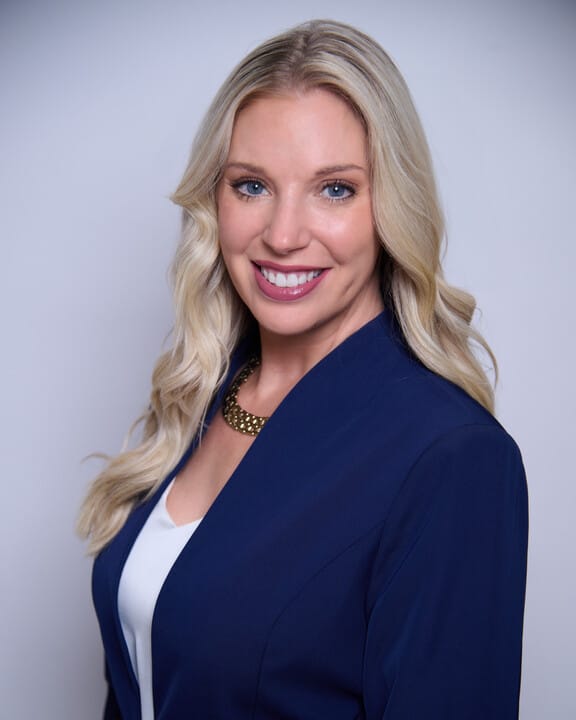
Audiologists, clinical psychologists, and scientists work with us on Freequency. They review the content of the program and help develop the app further.



The method
The program uses exposure therapy and ACT. The TFI questionnaire tracks how much your tinnitus affects you, so you can compare your answers over time.
Exposure therapy
You deliberately seek out your tone each day in a calm setting. The aim is to practice hearing the sound without an alarm response each time.
Acceptance and Commitment Therapy
ACT helps you practice responding to your tinnitus and the thoughts that come with it. You learn to focus your attention on what matters to you.
Tinnitus Functional Index
You complete the validated TFI questionnaire four times during the program. Your answers show how much your tinnitus affects you and how that changes over time.

Our mission
We want you to be able to practice at home, including while you wait for care. Read about the choices behind the app and how your subscription supports research.

From the blog



Get started
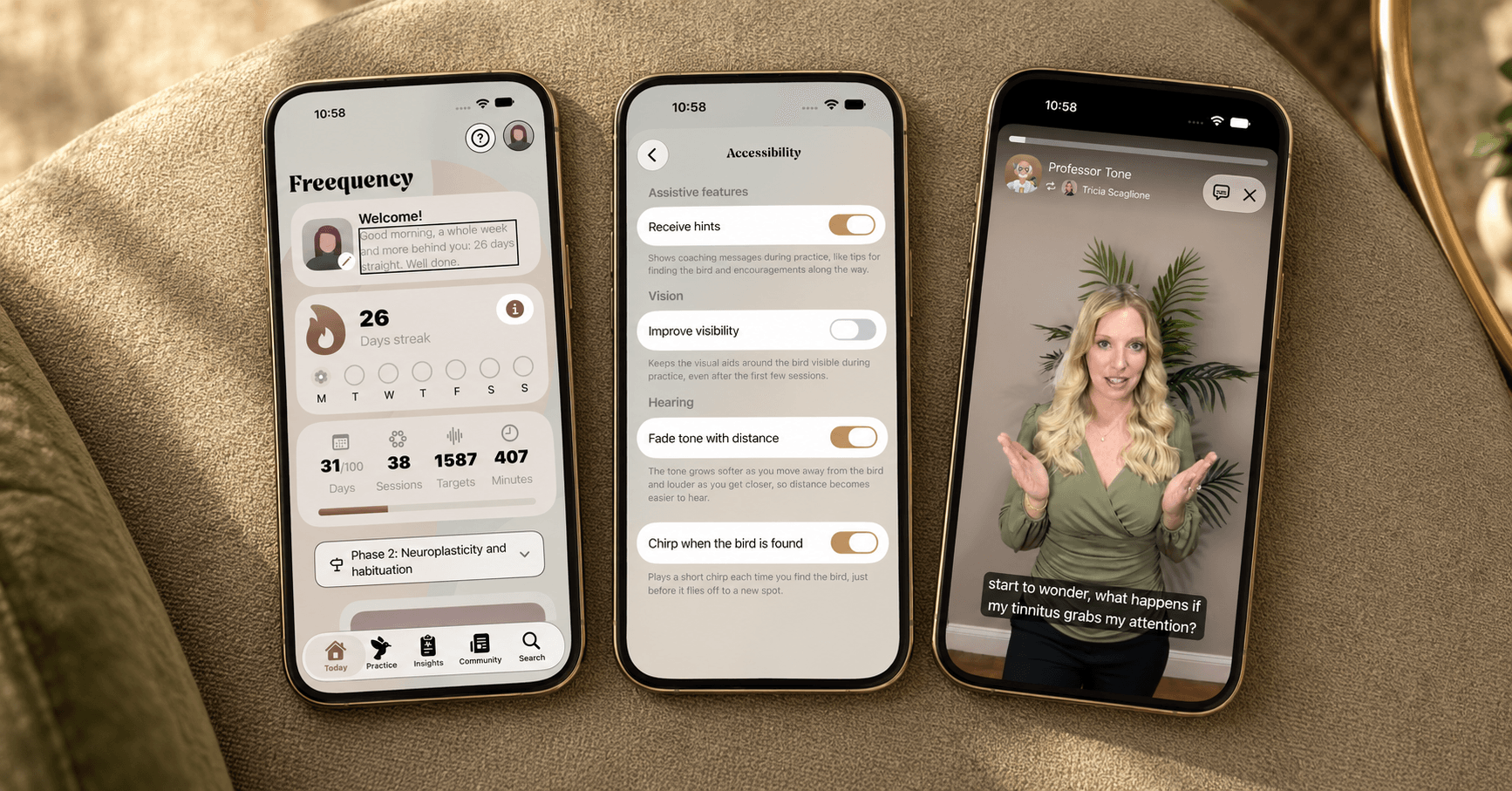
Download the app, recreate your own tone, and try your first exercise. The first 3 days are free.
Freequency complements your existing care and does not replace it. Use it in consultation with your audiologist or healthcare professional.