
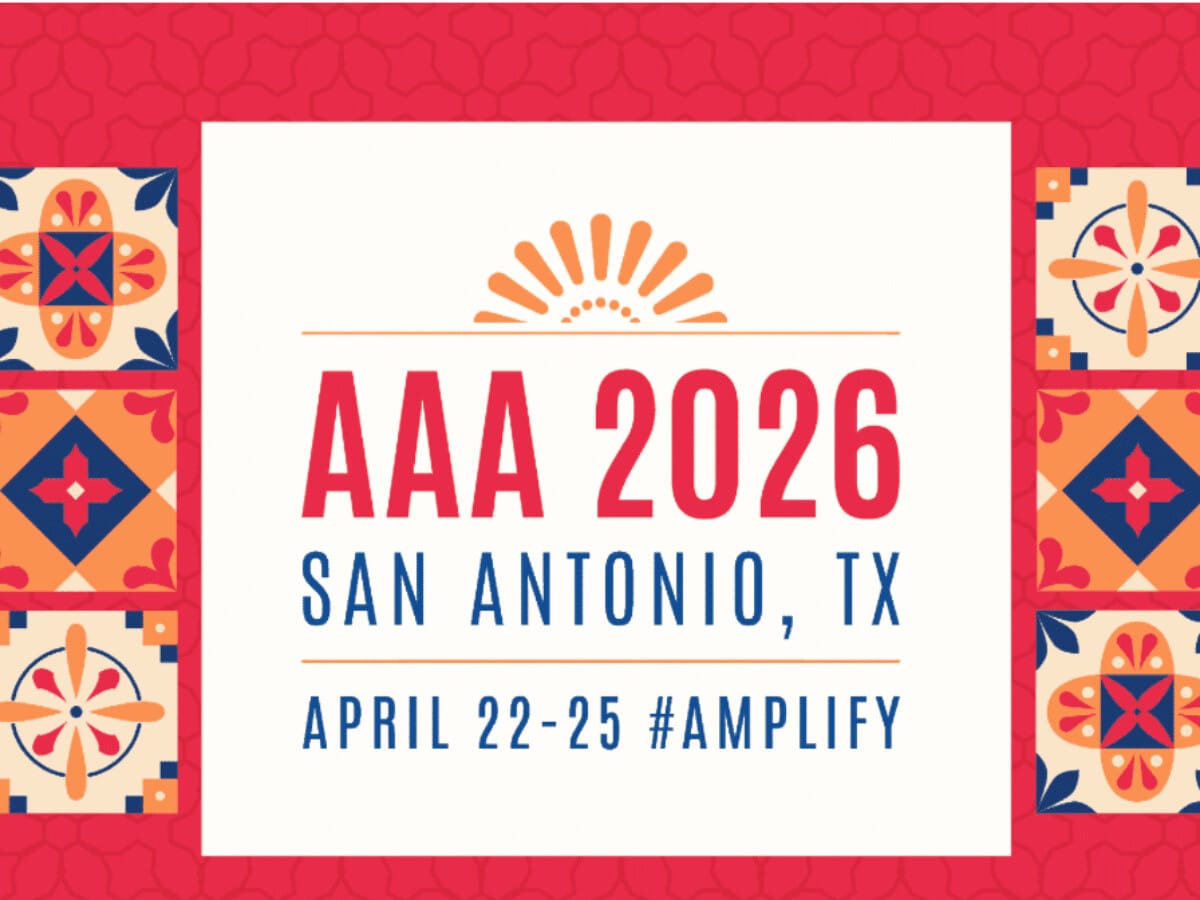
Meet us at AAA 2026: Booth 1025
Freequency is built on evidence-based principles from exposure therapy, CBT, and ACT — translated into a daily AR experience accessible from any smartphone. This document outlines the clinical rationale behind the intervention: how it works, where it fits in the care pathway, and how effectiveness is measured using the Tinnitus Functional Index.
Written for audiologists, psychologists, and other tinnitus professionals, it provides the foundation you need to assess Freequency as a complementary tool in your practice. Our goal is transparency: Freequency works best when it works alongside you.
Download Document: Underlying Care Principles
Who are the advisors behind Freequency?
Repeated exposure in a supportive context can help reduce the emotional response to tinnitus and support long-term habituation. This is complemented by daily content that helps participants better understand their brain and tinnitus, as well as regular exercises to reduce stress and help retrain the brain. This is all developed and delivered by experts in tinnitus, ACT, and CBT.
Let your patients join our US pilot
Real world traction
Freequency has gained strong real-world traction since its launch in the Netherlands in January 2025, attracting over 20,000 users and delivering measurable results. Almost half of all users report a clinically relevant improvement, and adoption has been largely organic — without reliance on clinical referral. This momentum has been recognized publicly, with Freequency winning both the Best Applied Game Award and the National Healthcare Innovation Award. Building on this foundation, the company is now preparing to bring the app to the United States, using early insights to shape its introduction for patients and healthcare professionals alike.
For care providers, Freequency offers a practical extension of existing tinnitus therapy. Patients can continue their exercises independently between appointments, reducing pressure on clinics and audiology centers while maintaining consistent daily engagement. The app's built-in symptom tracking and usage data give clinicians meaningful insight into patient progress, making follow-up conversations more informed and targeted. The result is a more flexible model of care — one that supports patients beyond the walls of the clinic and helps bridge the gaps between scheduled visits.
Research & Approach
Freequency is built on established psychological principles and continuously informed by real-world use. Our approach combines insights from exposure-based strategies, cognitive behavioral therapy, and acceptance and commitment therapy, translated into a format that supports daily use in everyday life. As users engage with Freequency, we gather anonymized insights into how people interact with the app, how they build habits, and how their experience of tinnitus evolves over time.
These learnings help us continuously improve the product and better understand what supports long-term engagement. We believe it is important to be transparent about how Freequency is positioned and used. Our approach focuses on supporting people in how they relate to tinnitus, without making medical claims or positioning the app as a treatment.